
Subtotal: ₹2,900.00
You have 2 items in your cart
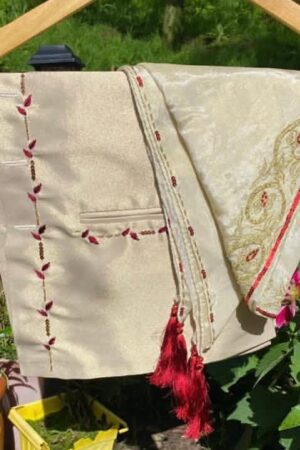
Sadri
Original price was: ₹1,700.00.₹1,600.00Current price is: ₹1,600.00.
Sadri: The Perfect Blend of Tradition, Craftsmanship, and Style
The Sadri is one of the most elegant and traditional garments in Indian menswear. Known for its structured look and timeless charm, the Sadri is a sleeveless jacket or waistcoat often worn over a kurta or shirt. Once an attire reserved for royals and aristocrats, it has now become a popular fashion statement for men across India — balancing heritage with contemporary style.
In Stock
Recent Views
Sadri
Original price was: ₹1,700.00.₹1,600.00Current price is: ₹1,600.00.
Description
Sadri: The Perfect Blend of Tradition, Craftsmanship, and Style
The Sadri is one of the most elegant and traditional garments in Indian menswear. Known for its structured look and timeless charm, the Sadri is a sleeveless jacket or waistcoat often worn over a kurta or shirt. Once an attire reserved for royals and aristocrats, it has now become a popular fashion statement for men across India — balancing heritage with contemporary style.
The Origin and Cultural Significance of Sadri
The word Sadri has its roots in Indian tradition and has been a part of men’s clothing for centuries. Initially, it was worn by nobles and zamindars as a symbol of class and dignity. Over time, it became a key part of regional attire, especially in northern India — including states like Rajasthan, Himachal Pradesh, and Uttar Pradesh.
The traditional Sadri is more than just a piece of clothing; it represents Indian craftsmanship, cultural pride, and elegance. In many communities, a beautifully embroidered Sadri is worn during festivals, weddings, and ceremonies as a sign of respect and grace.
Different Types of Sadri Jackets
There are various types of Sadris available today, each designed for specific occasions and preferences. Let’s look at some popular styles:
-
Cotton Sadri:
Lightweight and breathable, perfect for everyday wear or summer events. These are often plain or minimally embroidered for a neat and casual look. -
Silk or Brocade Sadri:
Ideal for weddings or festive occasions, these are made with rich fabrics like silk or brocade and often feature intricate designs, mirror work, or zari embroidery. -
Woolen or Handcrafted Sadri:
Found especially in the Himalayan regions, woolen Sadris are handwoven by local artisans. They are warm, durable, and beautifully embroidered — blending practicality with heritage. -
Designer Sadri:
Modern designers have reimagined the Sadri with new cuts, asymmetrical buttons, and fusion styles. These are perfect for fashion-conscious men who like to mix tradition with trend.
How to Style a Sadri
The Sadri jacket is one of the most versatile garments in men’s fashion. Here are a few easy styling tips to make it stand out:
-
Ethnic Look: Pair a silk or embroidered Sadri with a kurta-pajama or dhoti for weddings and festive occasions.
-
Formal Attire: Wear a plain cotton Sadri over a shirt and trousers for an elegant semi-formal look.
-
Casual Style: Try a linen or handloom Sadri over a kurta and jeans for a relaxed, cultural vibe.
-
Winter Layering: A woolen Sadri can be layered over sweaters for warmth and sophistication.
You can accessorize with a pocket square, traditional brooch, or stole to elevate your look even more.
Why Sadri is Still in Fashion
Despite being a centuries-old garment, the Sadri continues to evolve. Its simplicity, structure, and cultural value make it a timeless piece that fits both traditional and modern wardrobes. Here’s why it remains popular:
-
Versatility: Suitable for festivals, formal events, and casual outings.
-
Cultural Identity: Represents India’s deep-rooted heritage.
-
Sustainable Fashion: Many handcrafted Sadris are made using eco-friendly and handwoven fabrics.
-
Comfort with Class: Offers comfort without compromising elegance.
Modern Revival of Sadri Jackets
In recent years, the Sadri jacket has gained global attention as designers have showcased it on fashion runways. From Bollywood celebrities to political leaders, many personalities wear Sadris to represent both culture and confidence. Online stores now offer handcrafted and designer Sadris that combine traditional artistry with modern tailoring.
Artisans from Himachal Pradesh, Rajasthan, and Gujarat continue to handcraft these jackets using age-old weaving techniques, making each piece unique and valuable.
Conclusion
The Sadri is more than a jacket — it’s a symbol of India’s rich culture, craftsmanship, and timeless style. Whether you wear it at a wedding, a festival, or even at work, a well-fitted Sadri adds instant charm and confidence to your look.
From handwoven woolen styles to elegant silk designs, there’s a Sadri for every occasion and every man. Embrace this blend of tradition and trend — and let your wardrobe reflect the beauty of Indian heritage through the classic Sadri.
Women Waistcoat and Dhathu: A Symbol of Himachali Elegance
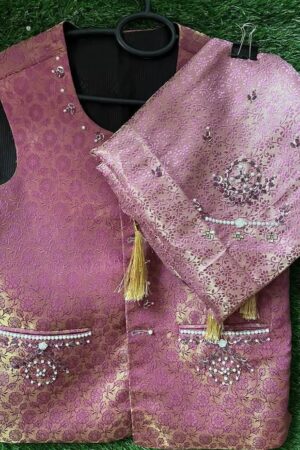
The Women Waistcoat and Dhathu are among the most iconic traditional attires of Himachal Pradesh, reflecting the region’s culture, grace, and craftsmanship. This beautiful combination of attire not only keeps the wearer warm in the cool mountain climate but also showcases the timeless beauty of Himachali tradition.
The Dhathu is a long rectangular cloth, similar to a dupatta or shawl, gracefully draped over the head and shoulders. It symbolizes modesty and respect, and its intricate borders often feature colorful embroidery or woven designs inspired by nature and local art. The Women Waistcoat adds structure and elegance to the outfit. Made from wool, velvet, or cotton, it is often hand-stitched and decorated with embroidery, buttons, or regional motifs.
Each Himachali region has its own distinct style — the Kullu Waistcoat features bright colors and geometric patterns, while Kinnauri Dhathus are known for their fine wool and intricate weaves. These regional variations highlight the diversity and artistic richness of Himachal Pradesh.
Today, the Waistcoat and Dhathu have also become a modern fashion statement. Women pair them with kurtas, sarees, or even western outfits, creating a blend of tradition and trend. Tourists and designers alike admire these garments for their authenticity and versatility.
Handcrafted by local artisans, each piece supports sustainable fashion and keeps the heritage of Himachal alive. Wearing a Women Waistcoat and Dhathu is not just about style — it’s a celebration of culture, identity, and handmade beauty.
Women Waistcoat and Dhathu: A Symbol of Himachali Elegance
The Women Waistcoat and Dhathu are among the most iconic traditional attires of Himachal Pradesh, reflecting the region’s culture, grace, and craftsmanship. This beautiful combination of attire not only keeps the wearer warm in the cool mountain climate but also showcases the timeless beauty of Himachali tradition.
The Dhathu is a long rectangular cloth, similar to a dupatta or shawl, gracefully draped over the head and shoulders. It symbolizes modesty and respect, and its intricate borders often feature colorful embroidery or woven designs inspired by nature and local art. The Women Waistcoat adds structure and elegance to the outfit. Made from wool, velvet, or cotton, it is often hand-stitched and decorated with embroidery, buttons, or regional motifs.
Each Himachali region has its own distinct style — the Kullu Waistcoat features bright colors and geometric patterns, while Kinnauri Dhathus are known for their fine wool and intricate weaves. These regional variations highlight the diversity and artistic richness of Himachal Pradesh.
Today, the Waistcoat and Dhathu have also become a modern fashion statement. Women pair them with kurtas, sarees, or even western outfits, creating a blend of tradition and trend. Tourists and designers alike admire these garments for their authenticity and versatility.
Handcrafted by local artisans, each piece supports sustainable fashion and keeps the heritage of Himachal alive. Wearing a Women Waistcoat and Dhathu is not just about style — it’s a celebration of culture, identity, and handmade beauty.
Women Waistcoat and Dhathu: A Symbol of Himachali Elegance
The Women Waistcoat and Dhathu are among the most iconic traditional attires of Himachal Pradesh, reflecting the region’s culture, grace, and craftsmanship. This beautiful combination of attire not only keeps the wearer warm in the cool mountain climate but also showcases the timeless beauty of Himachali tradition.
The Dhathu is a long rectangular cloth, similar to a dupatta or shawl, gracefully draped over the head and shoulders. It symbolizes modesty and respect, and its intricate borders often feature colorful embroidery or woven designs inspired by nature and local art. The Women Waistcoat adds structure and elegance to the outfit. Made from wool, velvet, or cotton, it is often hand-stitched and decorated with embroidery, buttons, or regional motifs.
Each Himachali region has its own distinct style — the Kullu Waistcoat features bright colors and geometric patterns, while Kinnauri Dhathus are known for their fine wool and intricate weaves. These regional variations highlight the diversity and artistic richness of Himachal Pradesh.
Today, the Waistcoat and Dhathu have also become a modern fashion statement. Women pair them with kurtas, sarees, or even western outfits, creating a blend of tradition and trend. Tourists and designers alike admire these garments for their authenticity and versatility.
Handcrafted by local artisans, each piece supports sustainable fashion and keeps the heritage of Himachal alive. Wearing a Women Waistcoat and Dhathu is not just about style — it’s a celebration of culture, identity, and handmade beauty.
Related products
-
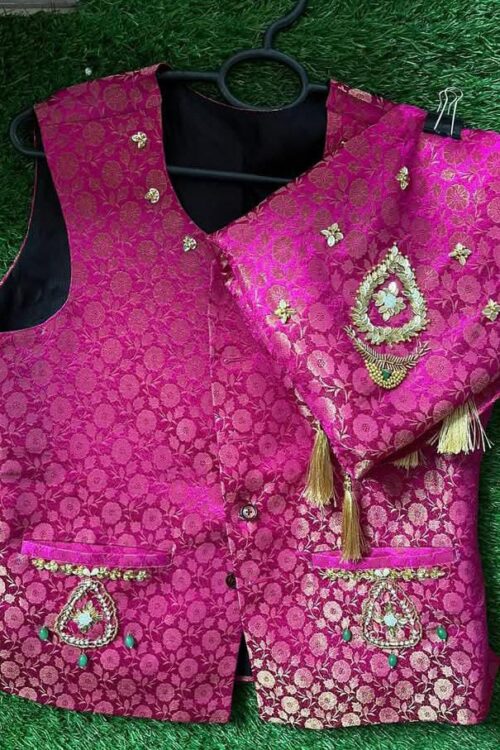
Handcrafted women waistcoat
Original price was: ₹1,700.00.₹1,500.00Current price is: ₹1,500.00. -
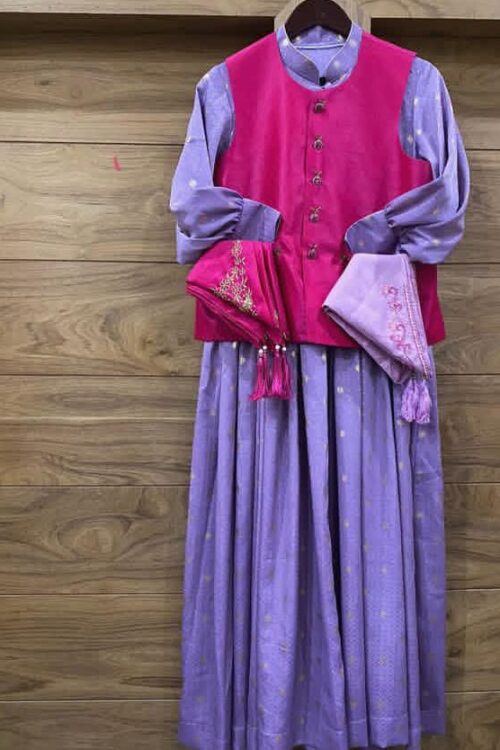
Rejta
Original price was: ₹2,500.00.₹2,200.00Current price is: ₹2,200.00. -
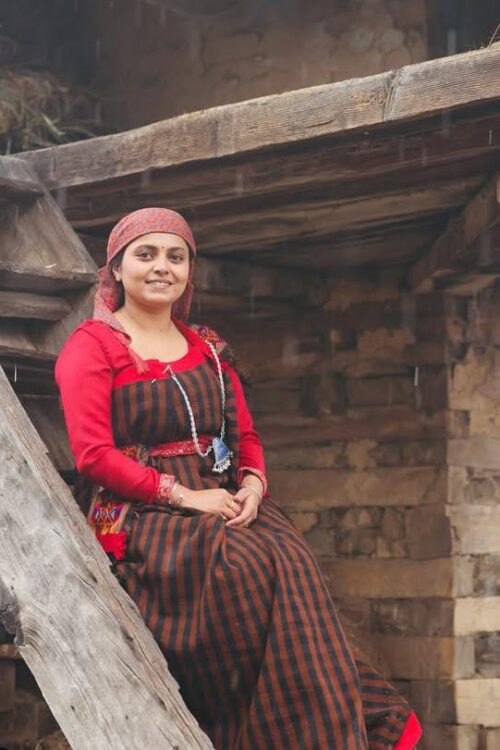
Kullvi pattu
Original price was: ₹1,800.00.₹1,700.00Current price is: ₹1,700.00. -
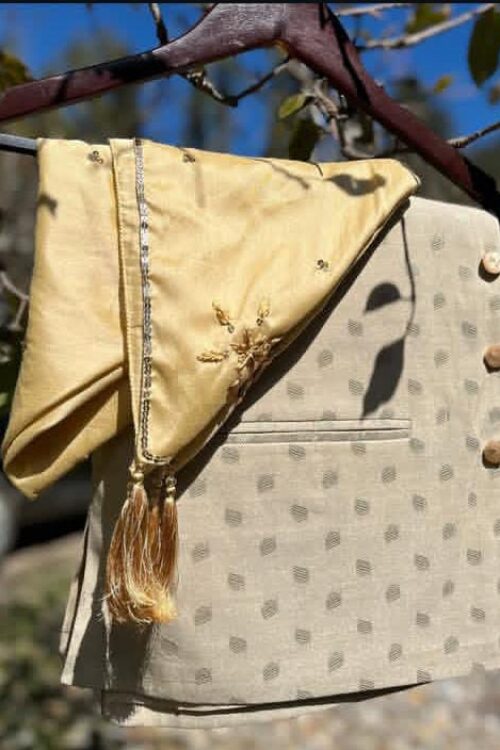
Women waistcoat
Original price was: ₹1,600.00.₹1,400.00Current price is: ₹1,400.00.
Reviews
There are no reviews yet.