
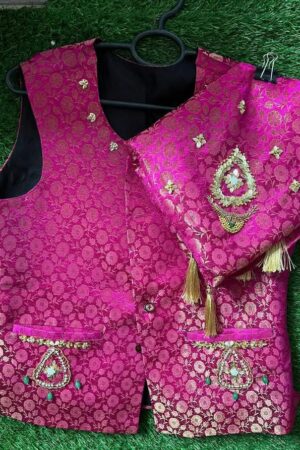
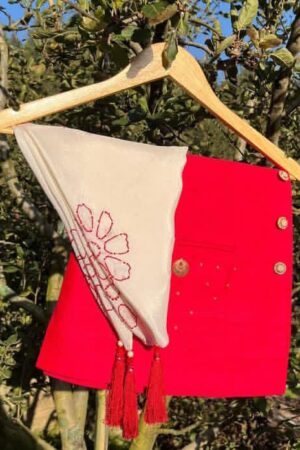
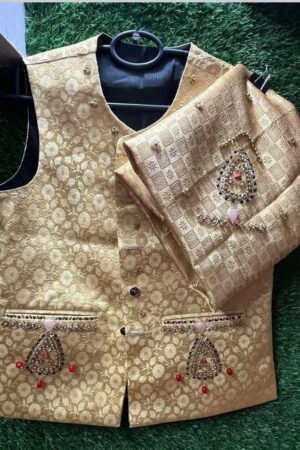
Subtotal: ₹4,600.00
You have 3 items in your cart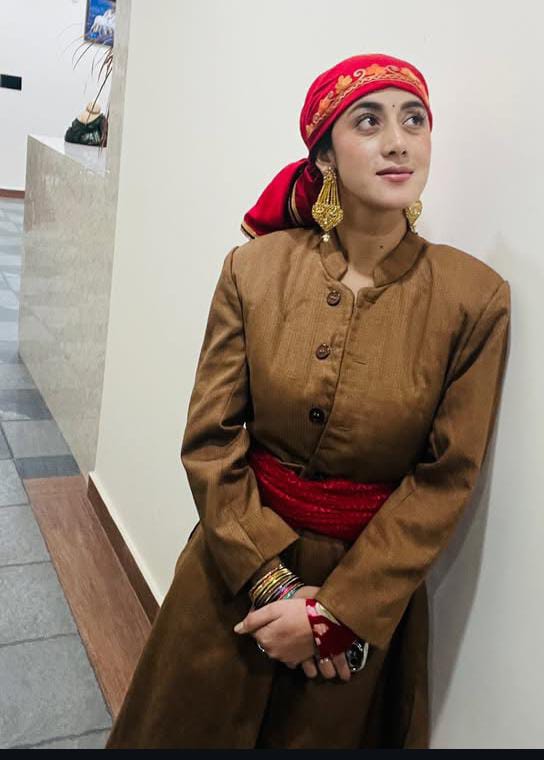

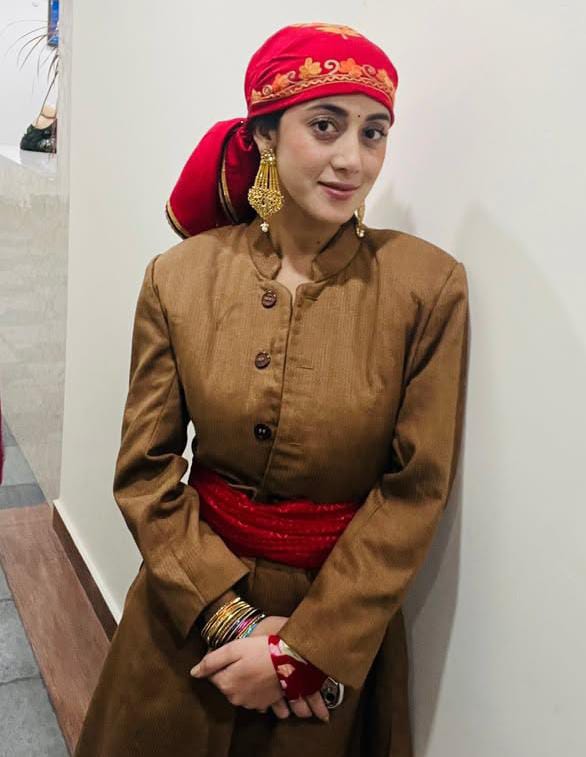

Himachali Attire: A Reflection of Culture, Colour, and Tradition
The Himachali attire is one of the most vibrant and culturally rich traditional clothing styles in India. It beautifully represents the diverse heritage, climate, and lifestyle of the people living in the hills of Himachal Pradesh. From the snow-clad mountains of Kinnaur to the lush valleys of Kullu and Chamba, every region in Himachal has its own distinct traditional dress that tells a story of identity, art, and craftsmanship.
Traditional Attire of Himachal Pradesh
The clothing of Himachal Pradesh is deeply connected to its geography and climate. The cold weather throughout most of the year has led to the use of warm woolen fabrics, handwoven shawls, and thick caps. However, beyond comfort, Himachali attire also expresses regional pride and cultural beauty.
Himachali Attire for Women
The traditional dress of Himachali women varies by district, but some common elements unite them all — bright colors, intricate embroidery, and fine woolen work.
-
Ghaghra-Choli and Chaddar:
In many regions, women wear long pleated skirts (ghaghra) paired with blouses (choli) and a woolen chaddar or shawl. The chaddar, often draped over the head and shoulders, is both a symbol of modesty and protection against the cold. -
Pattu:
The pattu is one of the most iconic elements of Himachali women’s attire. It’s a long rectangular woolen cloth, similar to a saree, wrapped around the body and fastened with a silver brooch called bochha or khunti. Each region has its own style of pattu — for instance, Kullu Pattus are famous for their colorful borders, while Kinnauri Pattus feature geometric and religious motifs. -
Jewellery and Accessories:
Traditional silver jewellery is an essential part of Himachali women’s attire. Heavy necklaces, bangles, and large earrings made of pure silver enhance their look. In some regions, women also wear a beautiful head ornament called mukut or chiri. -
Himachali Attire: A Reflection of Culture, Colour, and Tradition
The Himachali attire is one of the most vibrant and culturally rich traditional clothing styles in India. It beautifully represents the diverse heritage, climate, and lifestyle of the people living in the hills of Himachal Pradesh. From the snow-clad mountains of Kinnaur to the lush valleys of Kullu and Chamba, every region in Himachal has its own distinct traditional dress that tells a story of identity, art, and craftsmanship.
Himachali Attire for Men
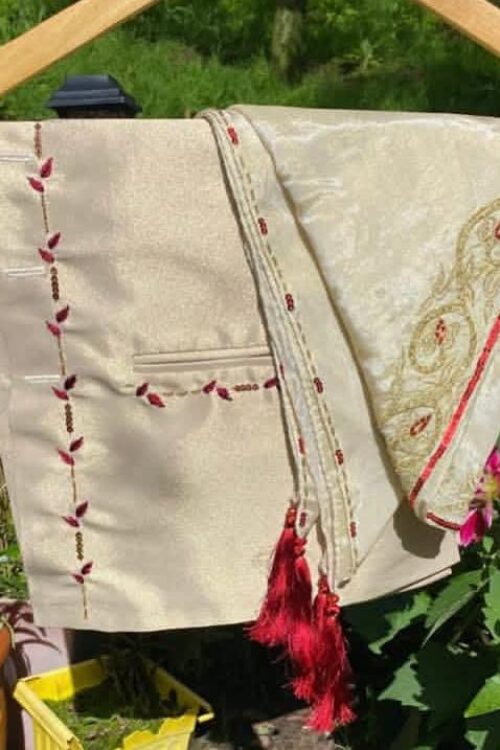
Men in Himachal Pradesh wear clothing that is both practical and traditional.
-
Chola and Pyjama:
The traditional dress for men includes a long woolen tunic called a chola paired with loose trousers or pyjamas. The fabric varies according to the weather and occasion. -
Himachali Cap (Topi):
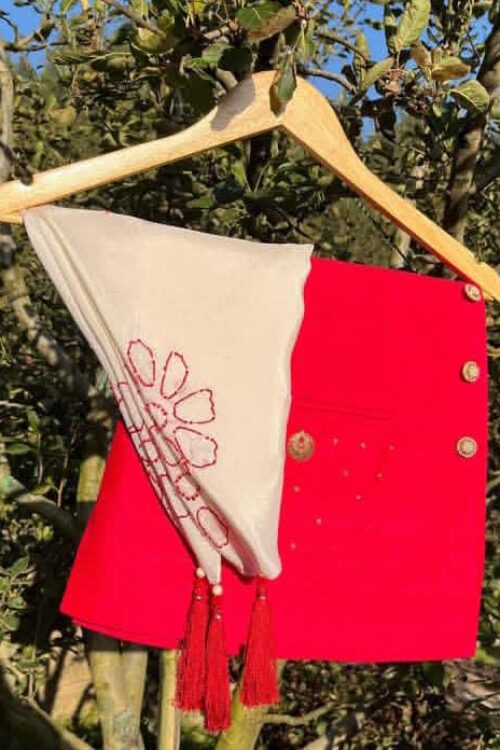
No Himachali attire is complete without the famous Himachali cap, known locally as the topi. The style and color of the topi differ from region to region — for example, Kullu caps have bright geometric designs, while Kinnauri caps feature green or maroon bands representing prosperity and peace. -
Woolen Coats and Shawls:
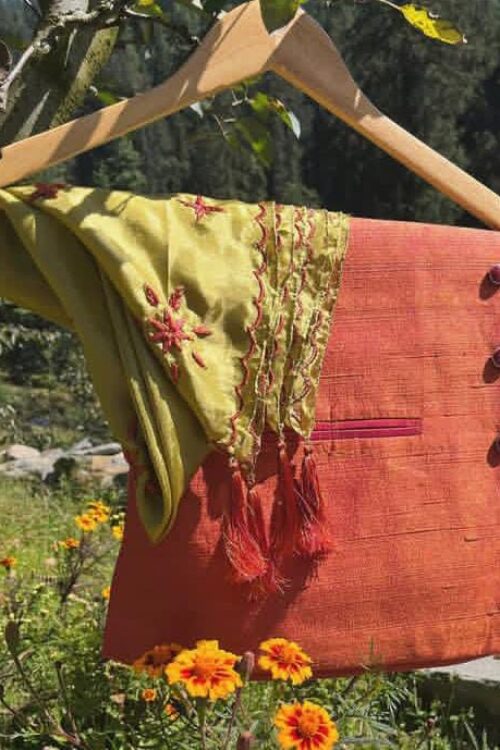
Men also wear handwoven Kullu shawls or woolen coats during cold weather. These shawls are now popular across India for their fine craftsmanship and traditional patterns.
Regional Variations in Himachali Attire
-
Kullu: Known for colorful woolen pattus and shawls with vibrant patterns.
-
Kinnaur: Famous for traditional headgear, green caps, and heavily patterned shawls.
-
Chamba: Brightly colored dresses and finely embroidered cholas are popular.
-
Lahaul-Spiti: The attire here is thicker and made from yak wool due to extremely cold weather.
Each district’s clothing reflects its culture, beliefs, and lifestyle — making Himachali attire one of the most diverse traditional wardrobes in India.
Modern Adaptations and Global Appeal
While modern fashion has influenced dressing styles in urban areas, Himachali attire remains a source of pride during festivals, weddings, and cultural events. Designers are now blending traditional Himachali fabrics and motifs with modern cuts and styles, creating a fusion that appeals to the younger generation.
The Kullu and Kinnauri shawls, in particular, have gained national and international recognition for their beauty and craftsmanship. Many tourists visiting Himachal love to buy these as souvenirs symbolizing the warmth of the Himalayas.
Conclusion
The Himachali attire is not just clothing — it’s a living tradition that represents the spirit of the mountains, the creativity of artisans, and the pride of its people. Every stitch and weave in these dresses tells a story of culture, nature, and heritage.
Whether it’s the graceful pattu worn by women, the colorful topi sported by men, or the handwoven shawls that wrap around generations, Himachali attire continues to celebrate the timeless beauty of Himachal Pradesh — a true blend of comfort, culture, and craftsmanship.
Would you like me to create a short SEO description (under 150 characters) for this article — perfect for your website or meta tag?
Reviews
There are no reviews yet.