
Subtotal: ₹1,400.00
You have 1 item in your cart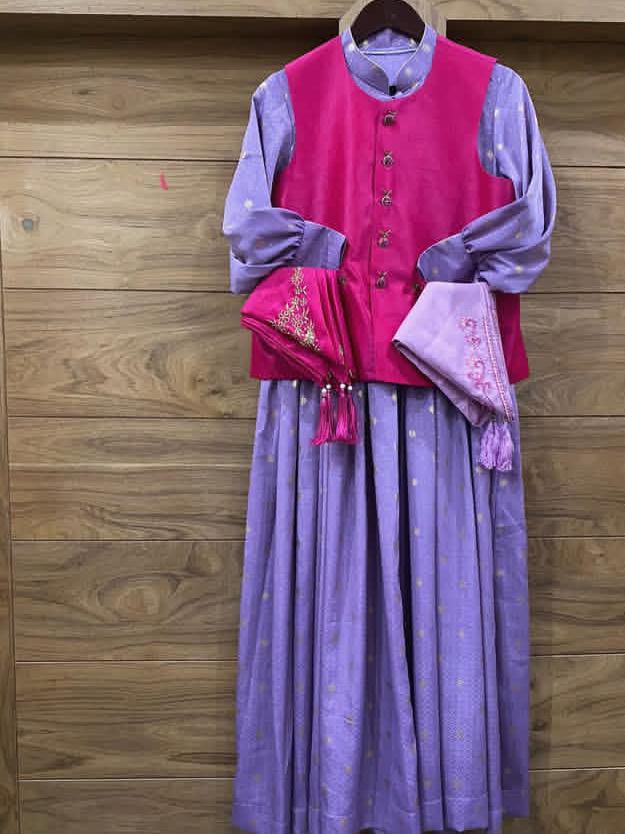
Rejta
Original price was: ₹2,500.00.₹2,200.00Current price is: ₹2,200.00.
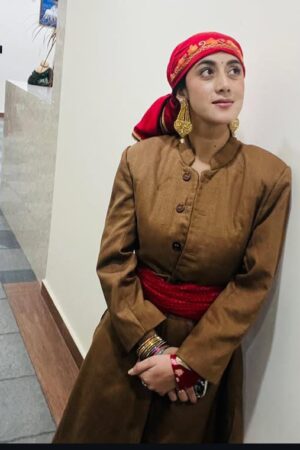
The Rejta is more than a piece of clothing—it is a living heritage of Himachal Pradesh. Handwoven with love, skill, and tradition, it embodies the spirit of Himalayan culture. Whether you wear it traditionally or style it with modern outfits, Rejta remains a symbol of authenticity, warmth, and craftsmanship.
In Stock
Description
Rejta: The Traditional Handwoven Woolen Wrap of Himachal Pradesh
The Rejta is one of the most traditional and culturally rich garments of Himachal Pradesh, especially renowned in the regions of Kinnaur, Lahaul, Spiti, and upper Himalayan villages. This woolen wrap or skirt is worn by women as daily attire and during festivals, symbolizing the blend of warmth, culture, and Himalayan identity. Handwoven by skilled artisans, represents not just clothing but a legacy of craftsmanship passed down through generations.
Historical and Cultural Significance of Rejta
The origins of go back centuries, when Himalayan communities relied on wool for survival in extreme winters. Women spun wool from local sheep, dyed it using natural colors, and wove it into thick, warm clothing that could withstand the harsh climate.
Among these garmentsmerged as a signature attire, especially for women in tribal and rural regions.
Traditionally, women wore Rejta with a woolen shawl, “pattū,” and a waist belt to secure it. During festivals like Phulaich, Fagli, and Losar, the becomes an essential part of ceremonial clothing. Its patterns, colors, and weaving styles vary from village to village, carrying cultural stories, traditions, and meanings.
How Is Made: The Art of Weaving
The making of is a slow, skillful, and fully handcrafted process. Every piece is woven on a traditional wooden loom, reflecting hours of dedication by skilled women artisans.
1. Wool Collection and Processing
Local sheep wool is sheared, washed, and carded to remove impurities.
The wool is then spun into yarn using a spindle or charkha.
2. Natural Dyeing
Traditionaare made using mud-tone, earthy, or bright natural dyes sourced from:
-
plant roots
-
leaves
-
flowers
-
minerals
This gives its authentic Himalayan color palette.
3. Weaving the Fabric
The yarn is woven into thick fabric known for warmth and durability.
Patterns include:
-
stripes
-
geometric motifs
-
tribal symbols
-
zig-zag designs
These motifs are inspired by nature — mountains, snow patterns, and cultural symbols.
4. Finishing and Stitching
Once the cloth is ready, it is washed, dried, and manually stitched to complete the Rejta.
Every piece is unique, representing the artisan’s skill and the heritage of the region.
Features of Traditional Rejta
The Himachal known for:
✔ Exceptional Warmth
Handwoven from pure wool, protects against Himalayan cold, making it perfect winter wear.
✔ Durable & Long-lasting
are thick and sturdy, lasting for many years—even decades—when cared for properly.
✔ Authentic Handloom Craft
No machine can replicate the richness and textures of a handmade
✔ Cultural Identity
reflects the rich lifestyle, beliefs, and traditions of women in Kinnaur, Lahaul, and nearby regions.
✔ Eco-friendly
Made using wool and natural dyes, biodegradable, sustainable, and environmentally friendly.
 Modern Uses of Rejta
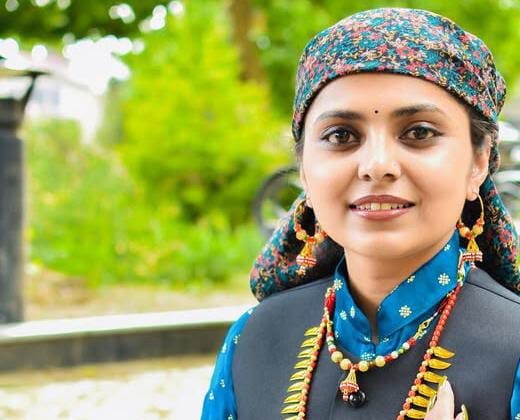
Though traditionally worn as a wrap or skirt, has now entered the world of fashion with many new uses:
1. Ethnic Wear for Women
continues to be worn with dhatu, pattu shawl, or Himachali topi during festivals and weddings.
2. Fusion Fashion
Fashion designers now use fabric for:
-
jackets
-
skirts
-
blouses
-
ponchos
-
stoles
This gives Rejta a modern appeal without losing its ethnic charm.
Modern Uses of Rejta
Though traditionally worn as a wrap or skirt, has now entered the world of fashion with many new uses:
1. Ethnic Wear for Women
Rejta continues to be worn with dhatu, pattu shawl, or Himachali topi during festivals and weddings.
This traditional Himalayan woolen wrap is one of the finest examples of handwoven craftsmanship found in the higher regions of Himachal Pradesh. Made from pure sheep wool and crafted on wooden looms, it offers exceptional warmth, durability, and comfort, making it ideal for cold mountain climates. Its thick texture, natural colors, and tribal patterns reflect the lifestyle and heritage of local communities. Each piece is created slowly and skillfully by rural women weavers who have preserved this art form for generations.
The wrap features earthy tones, geometric motifs, and a rustic aesthetic inspired by nature, giving it a timeless beauty. It is commonly worn during festivals, cultural events, and daily village life, paired with woolen shawls, jackets, or traditional headscarves. In recent years, it has also become popular in modern fashion as designers incorporate Himalayan handloom into jackets, skirts, and decor items.
Buying this handcrafted woolen garment supports local artisans and promotes sustainable, eco-friendly fashion. Its warmth, authenticity, and cultural value make it not just clothing but a meaningful representation of mountain tradition and craftsmanship.
Related products
-
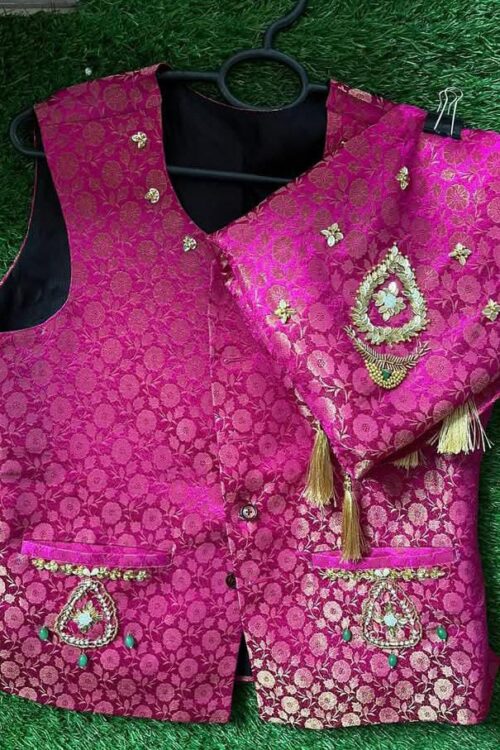
Handcrafted women waistcoat
Original price was: ₹1,700.00.₹1,500.00Current price is: ₹1,500.00. -
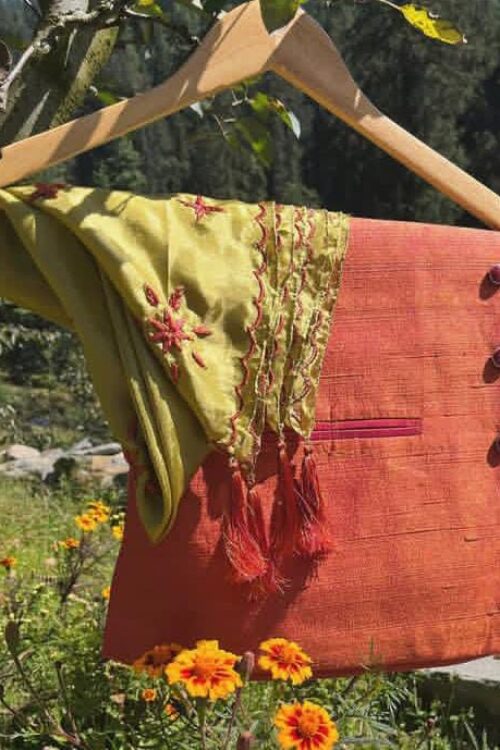
Handcrafted Dhatu&Sadri
Original price was: ₹1,700.00.₹1,500.00Current price is: ₹1,500.00. -
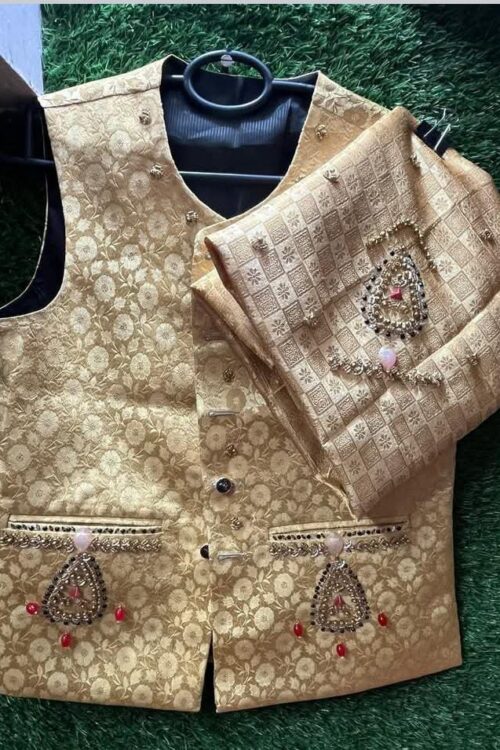
Sadri
Original price was: ₹1,700.00.₹1,600.00Current price is: ₹1,600.00. -
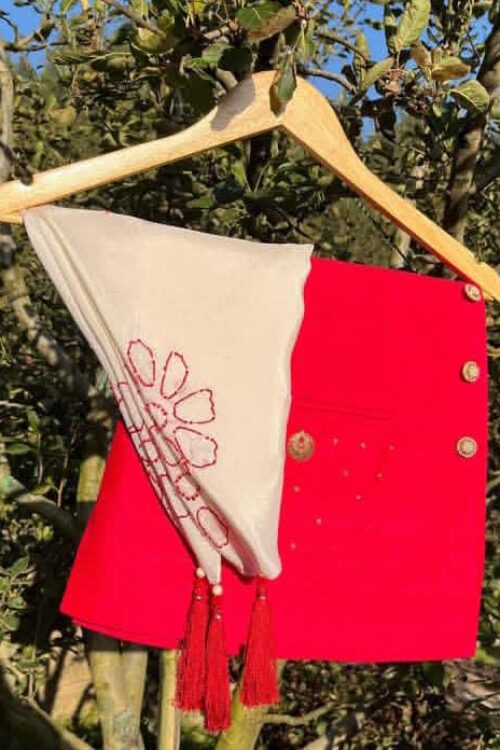
Red Sadri&Dhatu
Original price was: ₹1,700.00.₹1,500.00Current price is: ₹1,500.00.
Reviews
There are no reviews yet.